Quick Facts About Dental Crowns
- Key Benefits:Dental crowns can restore strength, shape, and function to damaged teeth while improving smile appearances.
- Potential Candidates: Ideal candidates often include those with cracked, worn, decayed, or heavily filled teeth, as well as patients seeking to cover an implant or improve a tooth’s appearance.
- Procedure Details: The process typically involves tooth preparation, an impression or digital scan, and placement of a custom-crafted crown designed to match your natural teeth.
- Result Longevity: With proper care, dental crowns can usually last anywhere from 10 to 15 years or longer.
- Provider Expertise: Dr. Morton brings decades of dental experience to every procedure, stays current with the latest techniques in cosmetic and restorative dentistry, and remains active in numerous professional dental organizations.
What Are Dental Crowns?
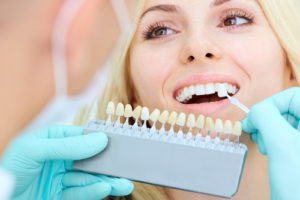 Dental crowns are designed to cover a tooth that has been damaged from trauma or decayed by bacteria, helping to enhance its strength, appearance, and function. If a cavity has become too significant for a tooth-colored filling to correct, a porcelain crown may be the ideal treatment, often saving the tooth from eventual extraction. In addition to “capping” damaged/decayed teeth, dental crowns can also be secured to the top of dental implants, providing a durable, natural-looking replacement for missing teeth.
At our practice, Colin Morton, DDS is highly experienced in custom-designing and placing porcelain dental crowns with exceptional results. To learn more about dental crowns, we encourage you to browse the information provided below. If you have any questions, or if you would like to meet with Dr. Morton to find out if dental crowns would be right for you, please call or contact our office online today to set up an appointment.
- Dental Crowns vs. Veneers
- Benefits of Dental Crowns
- Types of Dental Crowns
- Dental Crown Procedure
- Dental Crowns Recovery
- Dental Crown Pain
- Dental Crown Results
- Choosing Dr. Morton for Dental Crowns
- Cost of Dental Crowns
- Additional Porcelain Crowns FAQs
Dental Crowns vs. Veneers
Dental crowns are most commonly used to repair badly decayed or damaged teeth, whereas porcelain veneers are typically utilized to conceal aesthetic imperfections on teeth. Both of these procedures can provide cosmetic and restorative benefits, but each has its unique advantages. Porcelain veneers are thin shells affixed to the front of teeth that have stains, chips, gaps, cracks, and/or a worn-down or misaligned appearance. Porcelain crowns are designed to cover the entire tooth, protect it from further structural damage, and enhance its function and appearance. During a consultation, Dr. Morton can determine which procedure will most effectively address your particular needs and concerns.
What Are the Benefits of Porcelain Dental Crowns?
Porcelain dental crowns are designed to provide strength and beauty to a weakened tooth. This treatment option can be recommended for the following reasons:
- To restore a tooth that has been fractured, cracked, or chipped
- To restore a tooth suffering from serious damage and decay
- To restore a tooth after root canal therapy
- To protect a weakened tooth from future fracture
- To support a large filling when there is only a small amount of tooth remaining
- To attach a dental bridge
- To cover a dental implant
As an added benefit, each dental crown from our dentist is custom-designed—meaning it should fit, feel, and look like a real tooth.
Are There Different Types of Dental Crowns?
Dental crowns can be made from a variety of different materials, including porcelain, resin, gold alloys, and base metal alloys. At our practice, Dr. Morton generally chooses to utilize porcelain crowns over other options due to the numerous advantages this type of dental crown offers patients. Not only is the porcelain material durable, it also yields an incredibly natural look and feel that can blend seamlessly with surrounding teeth.
What Does the Dental Crown Procedure Entail?
At your initial visit to our practice, Dr. Morton will meet with you to discuss your concerns. If he determines a porcelain dental crown is right for you, he will create a treatment plan based on your specific needs and goals, as well as answer any questions you may have.
The actual dental crown procedure is typically completed in two separate stages. During the first visit, the affected tooth will be numbed, and any decay in or around the tooth will be removed. The tooth will then be shaped, and an impression will be taken to help ensure the dental crown is precisely designed for an optimal fit. These steps should be virtually painless and can be performed while you are sitting comfortably in the dental chair; however, if you suffer from dental anxiety, our sedation dentistry techniques can help you feel more relaxed throughout the procedural process.
At your return visit to our office, Dr. Morton will bond your custom-made crown to the prepared tooth. Following this procedure, your new porcelain crown should look, feel, and function like a natural tooth, helping to create a more beautiful, healthier smile.
How Is Recovery Following the Dental Crowns Procedure?
Recovery is typically quick and comfortable. Most patients experience mild sensitivity to hot or cold temperatures and slight tenderness in the treated area for a few days, which can usually be managed with over-the-counter pain medication. It’s normal for the gums around the crown to feel a bit sore initially. Patients can generally return to normal activities the same day, though it’s wise to avoid sticky or hard foods until any numbness from local anesthesia wears off. Maintaining good oral hygiene, including regular brushing and flossing around the crown, helps ensure long-term success and comfort as the mouth adjusts to the new restoration.
Do Dental Crowns Hurt?
Dr. Morton makes every effort to ensure the dental crown process is as pain-free as possible. As previously mentioned, this includes the use of a numbing agent to desensitize the treatment area during tooth preparation and decay removal, as well as the employment of sedation techniques—such as nitrous oxide (laughing gas)—if needed. Our practice also offers blankets, warm towels, and movies during treatment, all of which can enhance your level of comfort. When all is said and done, the vast majority of dental crown patients note they experienced little to no discomfort at all.
How Long Do Porcelain Dental Crowns Last?
Dental crowns are designed to last for decades with proper care. They should be maintained with a good oral hygiene routine just like normal teeth. This includes regular brushing and flossing, as well as visiting the dentist at least twice per year. If these steps are followed, your porcelain dental crowns should last for many years.
Choosing Dr. Colin Morton for Dental Crowns
Selecting the right dentist for your dental crown procedure can make all the difference in comfort, precision, and lasting results. Dr. Morton brings extensive experience and a meticulous approach to restorative dentistry, ensuring each crown is expertly fitted and matched to blend seamlessly with your natural smile. Patients benefit from personalized care, clear communication throughout the treatment process, and the use of quality materials designed for durability. With a focus on both function and aesthetics, Dr. Morton takes the time to understand each patient’s unique needs, delivering crowns that can restore strength to damaged teeth while maintaining a natural, confident appearance for years to come.
How Much Do Porcelain Dental Crowns Cost?
The cost of a porcelain dental crown procedure is based on your unique dental needs. After Dr. Morton evaluates your teeth and gums, he will create a treatment plan to address your concerns. At this time, a member of our staff will prepare a detailed cost estimate for your treatment. If you would like help navigating your insurance benefits or finding dental financing options, we would be happy to assist you. Our ultimate goal is to help you obtain the smile you desire.
Additional Frequently Asked Questions About Dental Crowns
Can porcelain crowns be whitened?
Teeth whitening products available today—both professional and over-the-counter—have no effect on the color of porcelain dental crowns. As a result, if you are in need of a dental crown and are unhappy with the shade of your natural teeth, Dr. Morton typically recommends receiving a teeth whitening treatment prior to the placement of your crown. This way, your crown can be precisely designed to match your new, brighter tooth shade as opposed to the current color of your teeth, which may create the need for a new crown in the event you wish to whiten your teeth at a later point in time.
What do porcelain crowns look like?
Porcelain crowns are designed to closely resemble natural teeth, with a smooth, white finish that matches the shape, color, and texture of your surrounding teeth.
What happens if my crown becomes loose?
If your crown becomes loose, contact your dentist right away. Avoid chewing on that side of your mouth until it’s repaired to prevent damage or further loosening. In many cases, your dentist will be able to reattach the loose or dislodged crown without the need for a new one.
How strong are porcelain crowns?
Porcelain crowns are very strong and durable, designed to withstand the normal forces of chewing. However, excessive grinding or biting on hard objects can still cause damage, so it is important to be mindful when eating particularly hard foods and to avoid using your teeth as tools for opening packaging.
Will insurance cover porcelain crowns?
Many dental insurance plans cover part of the cost of porcelain crowns, especially if they are necessary for restoring function. It’s best to check with your provider for specific coverage details. Our team can help you review your specific plan to ensure you receive the maximum benefit available.
How do you care for porcelain crowns?
Caring for porcelain crowns is similar to caring for your natural teeth: brush twice daily, floss regularly, and visit your dentist for routine checkups. Avoid biting hard objects to prevent chipping and unnecessary wear.
What is the difference between an implant crown and a traditional crown?
A traditional crown is placed over an existing natural tooth that has been reshaped, providing support and protection while relying on the tooth’s own root. An implant crown, by contrast, sits atop a titanium implant post surgically anchored into the jawbone, replacing a missing tooth entirely rather than covering an existing one. This means implant crowns don’t require an underlying natural tooth structure, often making them ideal for tooth replacement, while traditional crowns are usually used to restore and strengthen teeth that are still present but damaged or weakened.
Contact Dr. Colin Morton
If you have any additional questions, or if you would like to schedule an appointment, please contact us today.
